
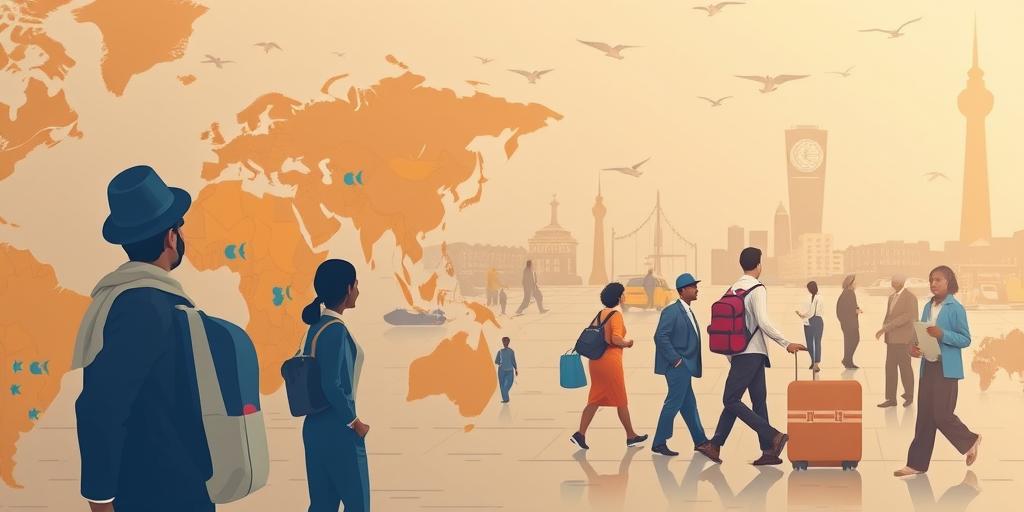
The Impact of Migration on Host Countries and Migrants
Migration, the movement of people from one place to another, is a complex phenomenon with profound effects on both host countries and the migrants themselves. This article explores the multifaceted impacts of migration, considering economic, social, and cultural dimensions.
Economic Impacts on Host Countries
- Labor Market: Migrants often fill labor shortages, particularly in sectors such as agriculture, construction, and healthcare. They can contribute to economic growth by increasing the labor supply and boosting overall productivity. However, concerns may arise regarding wage depression for low-skilled native workers, although empirical evidence on this effect is mixed.
- Innovation and Entrepreneurship: Immigrants frequently bring new ideas and entrepreneurial spirit, leading to innovation and the creation of new businesses. Studies have shown that immigrants are more likely to start businesses than native-born individuals, contributing to job creation and economic dynamism.
- Fiscal Impact: Migrants contribute to the tax base, helping to fund public services. While they also utilize public services such as education and healthcare, the overall fiscal impact is often positive, especially for skilled migrants.
Social and Cultural Impacts on Host Countries
- Cultural Enrichment: Migration can lead to a more diverse and vibrant society, enriching the cultural landscape through new traditions, cuisines, and perspectives. This cultural exchange can foster greater understanding and tolerance among different groups.
- Social Cohesion: Challenges to social cohesion may arise if integration is not well-managed. Language barriers, cultural differences, and discrimination can lead to social tensions and segregation. Successful integration policies are crucial to mitigate these risks.
- Demographic Change: Migration can help counter population decline and aging in countries with low birth rates. By increasing the working-age population, migrants can contribute to the sustainability of social security systems.
Impacts on Migrants
- Economic Opportunities: Migration often provides migrants with better economic opportunities, including higher wages, improved living standards, and greater access to education and healthcare. Remittances sent home by migrants can significantly boost the economies of their home countries.
- Social and Personal Development: Migrating to a new country can broaden horizons, enhance personal growth, and provide opportunities for education and skill development. Exposure to new cultures and ways of life can foster greater adaptability and resilience.
- Challenges and Difficulties: Migrants may face numerous challenges, including language barriers, discrimination, social isolation, and difficulties in adapting to a new culture. Legal and administrative hurdles, such as obtaining visas and work permits, can also pose significant obstacles.
Conclusion
Migration is a complex phenomenon with significant impacts on both host countries and migrants. While it offers numerous economic, social, and cultural benefits, it also presents challenges that need to be addressed through effective policies and integration strategies. Understanding these impacts is essential for fostering inclusive and prosperous societies.


