
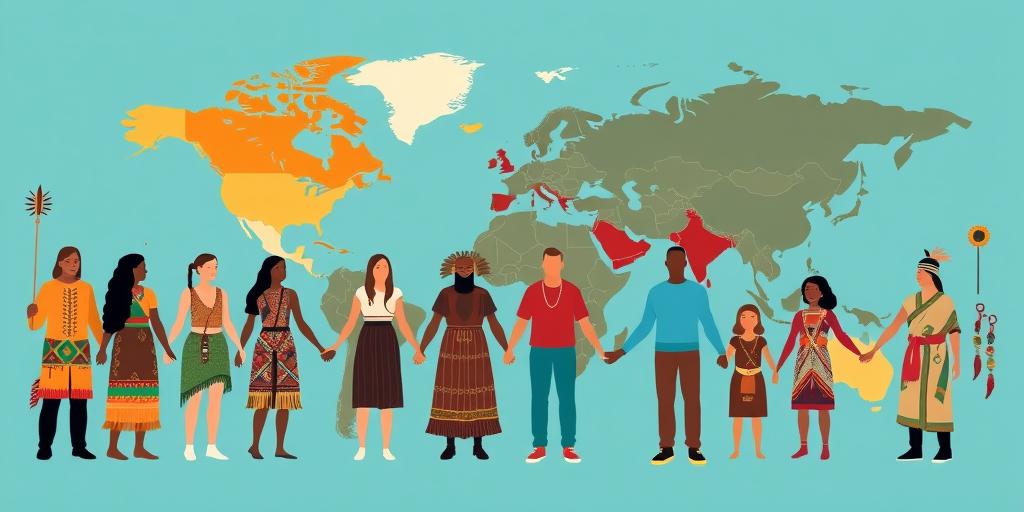
Indigenous rights movements are global movements focused on securing and protecting the rights of Indigenous peoples, who are often marginalized and face systemic discrimination. These movements address a wide array of issues, including land rights, cultural preservation, environmental protection, self-determination, and social justice.
Key Issues Addressed by Indigenous Rights Movements:
- Land Rights: Securing legal recognition and protection of Indigenous land and resource rights is often a central demand. This includes reclaiming ancestral lands, preventing resource extraction without consent, and ensuring sustainable land management practices.
- Cultural Preservation: Protecting Indigenous languages, traditions, and cultural heritage from assimilation and cultural appropriation is crucial. Movements advocate for the revitalization of Indigenous cultures and the recognition of Indigenous cultural rights.
- Environmental Protection: Indigenous peoples often play a vital role in protecting biodiversity and ecosystems. Movements fight against environmental degradation caused by deforestation, mining, and other extractive industries, advocating for Indigenous-led conservation efforts.
- Self-Determination: Indigenous peoples seek the right to govern themselves and make decisions about their own affairs, including education, healthcare, and economic development. Movements advocate for Indigenous autonomy and the recognition of Indigenous governance structures.
- Social Justice: Addressing issues such as poverty, discrimination, and lack of access to education and healthcare is essential for achieving social justice for Indigenous peoples. Movements advocate for policies and programs that promote equality and inclusion.
Examples of Indigenous Rights Movements Around the World:
- The Māori Land Movement (New Zealand): This movement has fought for the recognition of Māori land rights and the return of ancestral lands that were taken during colonization.
- The Sami Rights Movement (Scandinavia): The Sami people, the Indigenous people of northern Scandinavia, have advocated for their rights to land, water, and cultural preservation.
- The Indigenous Environmental Network (North America): This network supports Indigenous communities in their efforts to protect their lands and resources from environmental threats.
- The Aboriginal Rights Movement (Australia): This movement has fought for the recognition of Aboriginal land rights, self-determination, and cultural preservation.
- The Amazonian Indigenous Movements (South America): These movements work to protect the Amazon rainforest and the rights of Indigenous peoples who live there, facing threats from deforestation, mining, and agricultural expansion.
Challenges and Progress:
Indigenous rights movements face numerous challenges, including government opposition, corporate interests, and lack of public awareness. Despite these challenges, significant progress has been made in recent decades, including the recognition of Indigenous rights in international law and the adoption of Indigenous-friendly policies in some countries. Continued advocacy, collaboration, and solidarity are essential for advancing the rights and well-being of Indigenous peoples around the globe.
In conclusion, Indigenous rights movements play a crucial role in promoting justice, equality, and sustainability. By addressing key issues such as land rights, cultural preservation, and self-determination, these movements strive to create a more just and equitable world for Indigenous peoples and all.


