
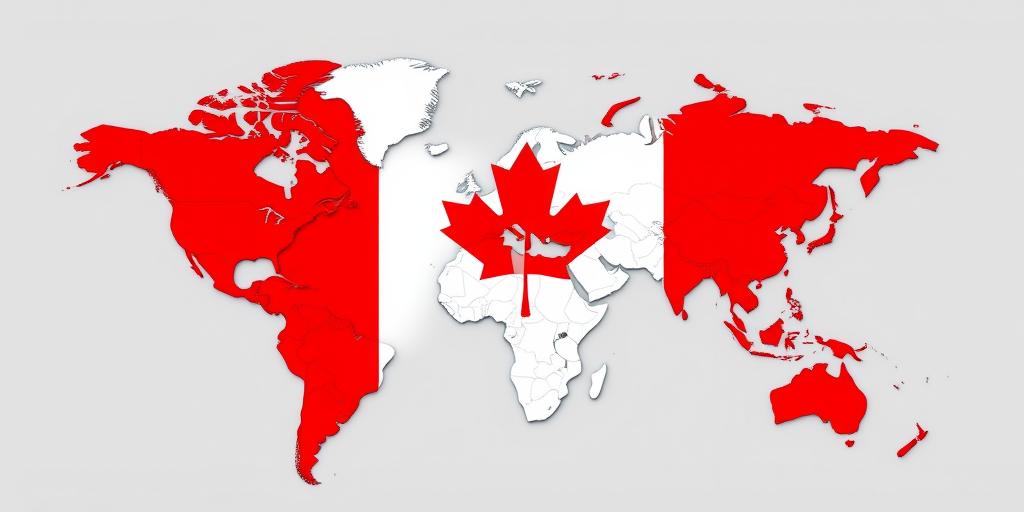
Canada's Position on the Global Stage
Canada's position on the global stage is multifaceted, influenced by its economic strengths, political alliances, and commitment to international norms. As a middle power, Canada navigates a complex landscape, balancing its national interests with its role as a responsible global citizen.
Economic Influence
Canada possesses a robust and diversified economy, heavily reliant on natural resources, manufacturing, and services. Its strong trade relationship with the United States is a cornerstone of its economic policy, but Canada also actively pursues trade agreements with other nations to diversify its markets. Canada's membership in the G7 and G20 underscores its economic significance and provides platforms for shaping global economic policies.
- Natural Resources: Canada is a major exporter of oil, gas, minerals, and forestry products.
- Trade Agreements: CUSMA (formerly NAFTA) and the Comprehensive Economic and Trade Agreement (CETA) with the European Union are vital.
- Financial Stability: Canada's banking system is consistently ranked among the world's most stable.
Political Alliances and Diplomacy
Canada is a committed member of various international organizations, including the United Nations, the Commonwealth, and NATO. These alliances reflect Canada's dedication to multilateralism and its belief in collaborative solutions to global challenges. Canada often plays a mediating role in international disputes and is known for its contributions to peacekeeping efforts.
- United Nations: Active participation in peacekeeping missions and commitment to the UN's Sustainable Development Goals.
- NATO: Commitment to collective defense and security in the North Atlantic region.
- Commonwealth: Fostering cooperation and shared values among member states.
Commitment to International Norms
Canada consistently champions human rights, democracy, and the rule of law on the global stage. It actively promotes these values through its foreign policy, development assistance, and diplomatic engagements. Canada also addresses global issues such as climate change, poverty reduction, and gender equality.
- Human Rights: Advocacy for the protection and promotion of human rights worldwide.
- Climate Action: Commitment to reducing greenhouse gas emissions and supporting international climate agreements.
- Development Assistance: Providing aid to developing countries to promote sustainable development and reduce poverty.
Challenges and Opportunities
Canada faces several challenges in maintaining and enhancing its position on the global stage. These include navigating shifting geopolitical dynamics, addressing internal divisions, and adapting to technological advancements. However, Canada also has significant opportunities to leverage its strengths and values to play a more prominent role in shaping the future of the world.
- Geopolitical Shifts: Adapting to the rise of new global powers and evolving international relationships.
- Internal Divisions: Managing regional disparities and promoting national unity.
- Technological Advancements: Harnessing technology to drive economic growth and innovation.
In conclusion, Canada's position on the global stage is characterized by its economic influence, political alliances, and commitment to international norms. While challenges exist, Canada's dedication to multilateralism and its values-based foreign policy provide a solid foundation for continued global engagement and leadership.


