
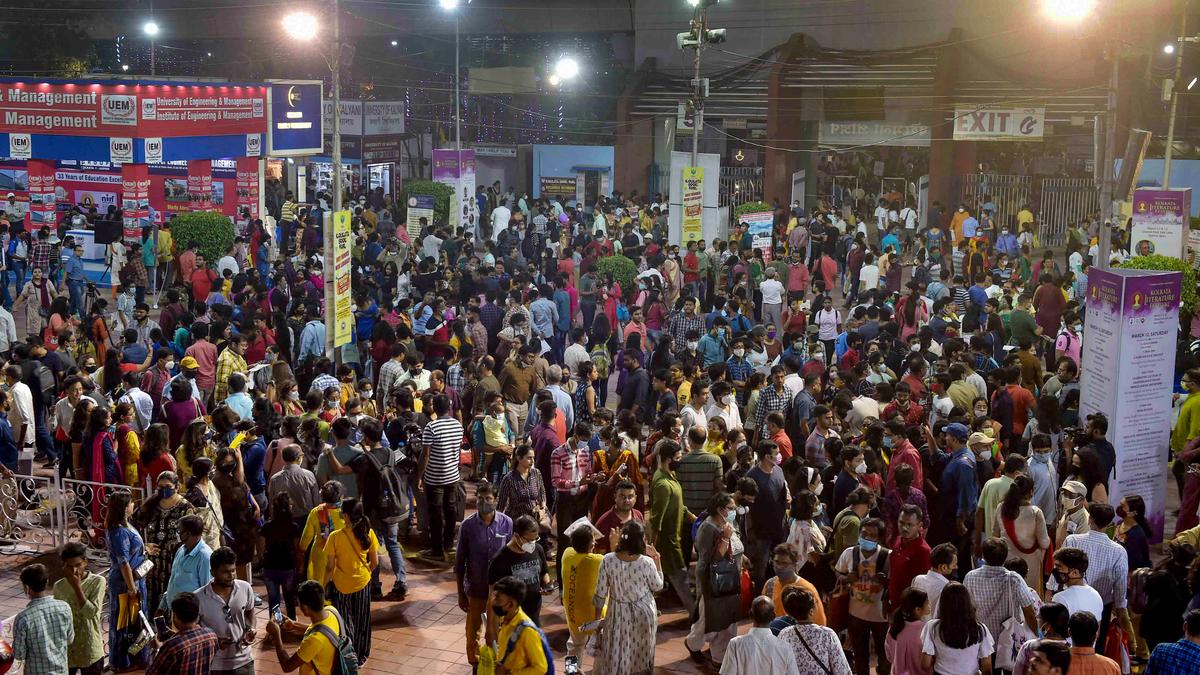
Kolkata Book Fair: VHP's Surprise Stall Allocation After Court Dismissal
In a stunning turn of events, the Vishva Hindu Parishad (VHP) secured a stall at the prestigious International Kolkata Book Fair, just hours after a high court dismissed their petition. This unexpected development has sparked debate and raised questions about the fairness and transparency of the book fair's organizing committee. This rollercoaster of legal battles and last-minute allocations has captivated the nation! Let's dive into the details.
The VHP's Legal Battle and the Court's Decision
The VHP initially applied for a stall at the book fair under their organization's name. However, their application was denied by the Publishers and Booksellers Guild, the event organizers. This led the VHP to challenge the decision in the Calcutta High Court. The court, however, dismissed their plea, stating that the guild's refusal did not infringe upon the VHP's freedom of speech or business rights. The judge's reasoning centered on the premise that the denial of a stall didn't prevent them from publishing their own books or magazines. This is significant, highlighting the importance of the distinctions made by the court between participation in the book fair and exercising free speech.
The Guild's Justification
The Publishers and Booksellers Guild's decision not to allot stalls to organizations was predicated on a policy that only extended the stall allocation to booksellers, publishers, and registered magazines. This clarification is key to understanding the Guild's logic and sheds light on the complexities of participation in such prestigious book fairs.
The Aftermath of the Court's Ruling
The court's ruling was quite clear; yet the VHP then engaged with the guild leading to another layer of the case, showing an intriguing maneuver of legal strategies.
The Surprise Twist: A Stall for 'Visva Hindu Varta'
Despite the court's ruling against the VHP's initial request, the Publishers and Booksellers Guild surprised everyone by allotting a stall to the organization's monthly magazine, Visva Hindu Varta. This seemingly contradictory outcome has raised eyebrows among critics and activists, prompting speculation about potential back-channel negotiations between the Guild and the VHP.
The Size of the Stall and its Location
The stall allocated to Visva Hindu Varta is considerably smaller (200 sq.ft) than the 700 sq.ft the VHP initially requested. This suggests possible compromises in negotiation, with space in stall number 249, revealing details about the scale and conditions imposed. This allocation of space further fuels the ongoing debate surrounding the book fair's decision-making.
Contrasting Cases: APDR's Denied Stall
The Association for Protection of Democratic Rights (APDR), a human rights group, also faced rejection in securing a stall at the fair. Their petition was also dismissed by the Calcutta High Court on grounds similar to the VHP's case. The similar dismissal for the APDR highlights the apparent consistency applied by the courts. This case however demonstrates disparity in results despite the similarities with the VHP's case.
The Significance of APDR's Case
The parallel legal trajectory and outcome involving APDR underscore the inherent complexities of political implications and participation regulations in book fairs. This further amplifies ongoing criticism concerning transparency and fairness. The difference in the two groups' situations also calls into question how much political and social factors influence decision-making by the guild. The similarities between both cases could demonstrate a pattern and raise question as to how other cases similar to the ones presented by the APDR and VHP were handled in the past and the reasoning behind such practices.
Book Fair Politics and the Future of Inclusion
The controversies surrounding the VHP and APDR's attempts to secure stalls at the International Kolkata Book Fair highlight the political undercurrents often intertwined with such events. The guild's selective policy, seemingly excluding certain organizations while accommodating others, fuels questions about the criteria used and potential biases influencing decisions.
Balancing Free Speech and Organisational Guidelines
The dilemma faced by the Publishers and Booksellers Guild involves maintaining a delicate balance between upholding freedom of expression and managing the organizational rules governing participation at the book fair. This intricate negotiation between political and social factors will have ongoing impacts on similar situations in future events. This complex problem raises further questions about the role of a book fair in both showcasing and promoting political expression. Maintaining the image of an inclusive book fair may require stricter internal review of the regulations guiding future participation.
Take Away Points:
- The VHP secured a stall at the Kolkata Book Fair for their magazine despite the court's initial dismissal of their petition.
- The Guild's allocation was predicated on new application which changed their original name and request.
- This situation has triggered controversies and debates on fairness and inclusion at the book fair.
- The APDR's case, dismissed in a similar manner, created controversy, prompting discussion around transparency of the allocation process.
- The Kolkata Book Fair demonstrates the intricate relationship between free speech, political participation, and institutional guidelines.


