
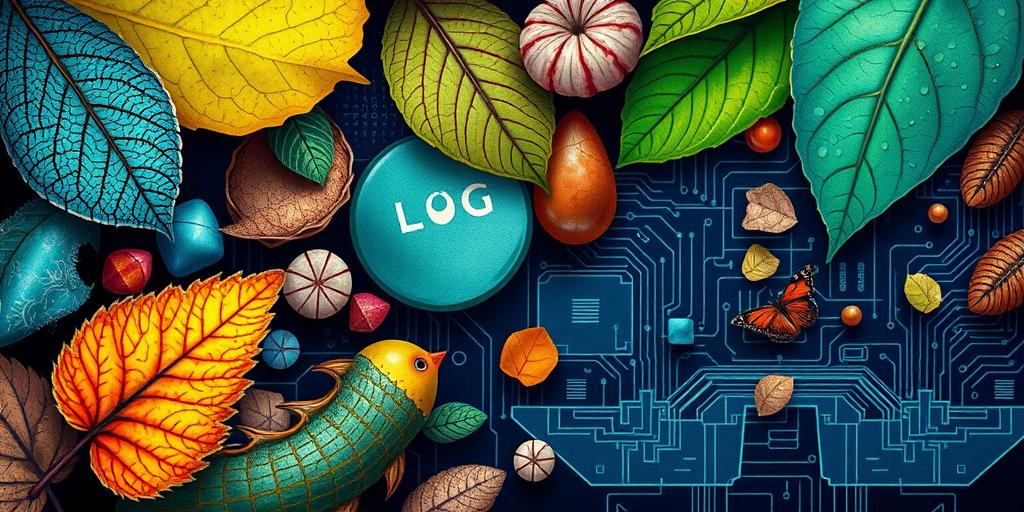
Biomimicry: Learning from Nature's Designs
Biomimicry, at its core, is an innovative design approach that seeks sustainable solutions by emulating nature's time-tested patterns and strategies. The central idea is that nature, through billions of years of evolution, has already solved many of the problems we are grappling with today. By studying natural systems, we can find inspiration for creating products, processes, and policies that are well-adapted to life on Earth.
Core Principles of Biomimicry
Biomimicry operates on a set of guiding principles that ensure designs are not only innovative but also sustainable and ethical:
- Nature as Model: Using nature as a direct source of inspiration for design.
- Nature as Measure: Evaluating designs against nature's standards to ensure sustainability.
- Nature as Mentor: Viewing nature not as a resource to be exploited, but as a source of wisdom and guidance.
Examples of Biomimicry in Action
Numerous innovations across various fields have been inspired by nature. Here are a few notable examples:
- Velcro: Inspired by the way burrs stick to dog fur, Swiss engineer George de Mestral invented Velcro in the 1940s.
- Bullet Train: The shape of the Japanese bullet train was inspired by the kingfisher's beak, which allowed for quieter and faster trains by reducing the sonic boom effect when entering tunnels.
- Self-Cleaning Surfaces: Inspired by the lotus leaf, which has a self-cleaning surface due to its unique micro- and nano-structures, scientists have developed self-cleaning paints and textiles.
- Efficient Wind Turbines: Humpback whales have tubercles (bumps) on the leading edge of their flippers, which increase lift and reduce drag. Applying this design to wind turbine blades has resulted in more efficient energy generation.
The Biomimicry Design Process
The biomimicry design process typically involves the following steps:
- Identify the Problem: Clearly define the design challenge.
- Biological Research: Investigate how nature solves similar problems. This may involve consulting biologists, ecologists, and other experts.
- Discover Biological Strategies: Identify the key principles and strategies employed by nature.
- Abstract and Apply: Abstract these strategies and apply them to the design challenge, creating potential solutions.
- Evaluate and Refine: Evaluate the solutions against sustainability criteria and refine the designs as needed.
Benefits of Biomimicry
Adopting biomimicry offers numerous benefits:
- Sustainability: Biomimicry encourages sustainable designs that are well-adapted to the environment.
- Innovation: Nature provides a vast library of solutions that can inspire novel and effective designs.
- Efficiency: Natural designs are often highly efficient in terms of energy and resource use.
- Resilience: Biomimicry can lead to designs that are resilient and adaptable to changing conditions.
Challenges and Future Directions
Despite its potential, biomimicry faces several challenges. One key challenge is the need for interdisciplinary collaboration between designers, engineers, and biologists. Overcoming this and other challenges will require a concerted effort to integrate biomimicry into education, research, and industry practices. As we continue to face complex global challenges, biomimicry offers a promising path towards creating a more sustainable and harmonious world by learning from the wisdom of nature.


