
Tracing the History of Indian Cities
India, a land of ancient civilizations, boasts a rich tapestry of urban settlements that have evolved over millennia. From the meticulously planned cities of the Indus Valley Civilization to the bustling metropolises of today, Indian cities tell a compelling story of trade, culture, and societal transformation. This exploration delves into the history of several prominent Indian cities, highlighting their origins, growth, and enduring legacies.
The Indus Valley Civilization: A Foundation
The Indus Valley Civilization (IVC), flourishing around 2600-1900 BCE, laid the groundwork for urban planning in the Indian subcontinent. Cities like Harappa and Mohenjo-daro showcase advanced engineering and urban design, featuring well-organized street grids, sophisticated drainage systems, and standardized brick construction. These urban centers thrived on agriculture, trade, and craftsmanship, demonstrating a high degree of social organization and technological prowess.
Key features of IVC cities:
- Grid-pattern streets: Facilitated efficient movement and organization.
- Advanced drainage: Showed concern for sanitation and public health.
- Standardized bricks: Indicated centralized planning and resource management.
- Citadels and lower towns: Suggest hierarchical social structures.
Ancient Capitals: Power and Patronage
Following the decline of the IVC, the Gangetic plains emerged as the new center of urban development. Cities like Pataliputra (modern-day Patna) rose to prominence as capitals of powerful empires such as the Mauryas and the Guptas. These cities served as centers of political power, economic activity, and cultural patronage, attracting scholars, artists, and merchants from far and wide.
Pataliputra, under the Mauryan Empire, was one of the largest cities in the world. Megasthenes, a Greek ambassador to the Mauryan court, described its grandeur and efficient administration. The city featured elaborate palaces, public buildings, and fortifications, reflecting the empire's wealth and power. Other notable ancient cities include:
- Taxila: A renowned center of learning and trade.
- Ujjain: A major commercial and religious hub.
- Kanchi: A significant city in South India, known for its temples and learning centers.
Medieval Marvels: Islamic Influence and Regional Kingdoms
The medieval period witnessed the rise of new urban centers under the influence of Islamic rulers and regional kingdoms. Cities like Delhi, Agra, and Hyderabad became prominent, showcasing a blend of Indian and Islamic architectural styles, administrative systems, and cultural practices. These cities served as centers of trade, governance, and artistic expression.
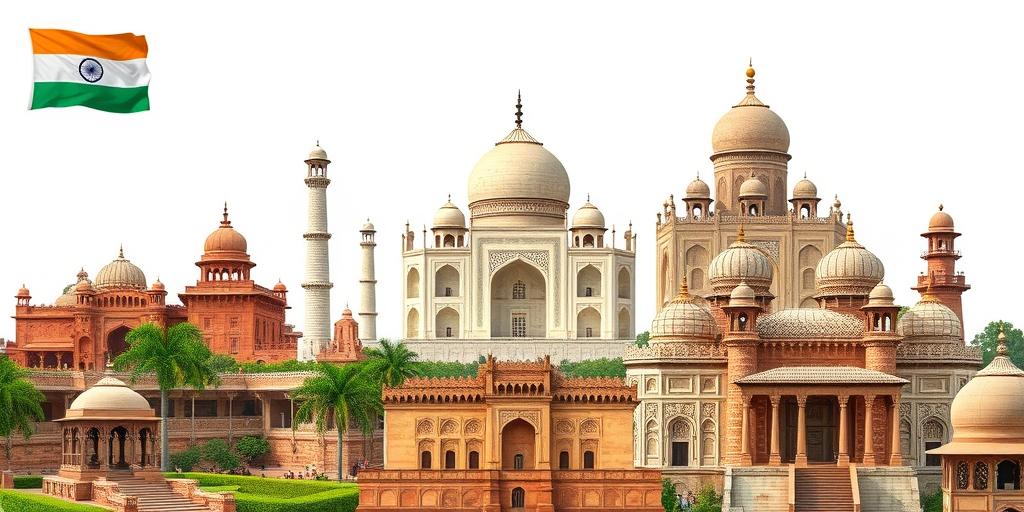
Delhi, as the capital of the Delhi Sultanate and the Mughal Empire, became a melting pot of cultures. The city's architecture, including the Qutub Minar, Humayun's Tomb, and the Red Fort, reflects the fusion of Indian and Islamic aesthetics. Agra, another significant Mughal city, is renowned for the Taj Mahal, a symbol of love and architectural brilliance. Hyderabad, under the Qutb Shahi dynasty, developed a distinct identity, blending Persian and Indian traditions.
Colonial Cities: Transformation and Modernization
The arrival of European colonial powers brought significant changes to Indian cities. Coastal cities like Mumbai (Bombay), Kolkata (Calcutta), and Chennai (Madras) emerged as major trading ports and administrative centers. The British introduced modern infrastructure, including railways, roads, and communication networks, transforming these cities into industrial and commercial hubs. However, colonial rule also led to social and economic disparities, with the indigenous population often marginalized.
These colonial cities witnessed rapid urbanization and population growth, leading to the development of distinct urban landscapes. European-style buildings, such as the Victoria Memorial in Kolkata and the Gateway of India in Mumbai, became iconic landmarks. The colonial period also saw the rise of nationalist movements, with cities serving as centers of political activism and social reform.
Post-Independence: Growth and Challenges
Following India's independence in 1947, Indian cities experienced unprecedented growth and transformation. New cities like Chandigarh were planned and developed, while existing metropolises expanded rapidly. The post-independence era witnessed industrialization, technological advancements, and globalization, leading to significant economic and social changes. However, rapid urbanization also brought challenges such as:
- Overpopulation: Straining resources and infrastructure.
- Pollution: Affecting public health and the environment.
- Inequality: Creating social and economic disparities.
- Slums and informal settlements: Housing a significant portion of the urban population.
Today, Indian cities are dynamic and diverse, reflecting the country's complex history and evolving identity. They are centers of innovation, commerce, and culture, playing a crucial role in India's economic development. Addressing the challenges of urbanization and ensuring sustainable growth are essential for the future of Indian cities.
Conclusion
The history of Indian cities is a journey through time, reflecting the subcontinent's rich cultural heritage, political transformations, and economic developments. From the ancient cities of the Indus Valley Civilization to the modern metropolises of today, Indian cities continue to evolve, adapt, and shape the nation's destiny. Understanding their past is crucial for charting a sustainable and prosperous future for these urban centers.


