
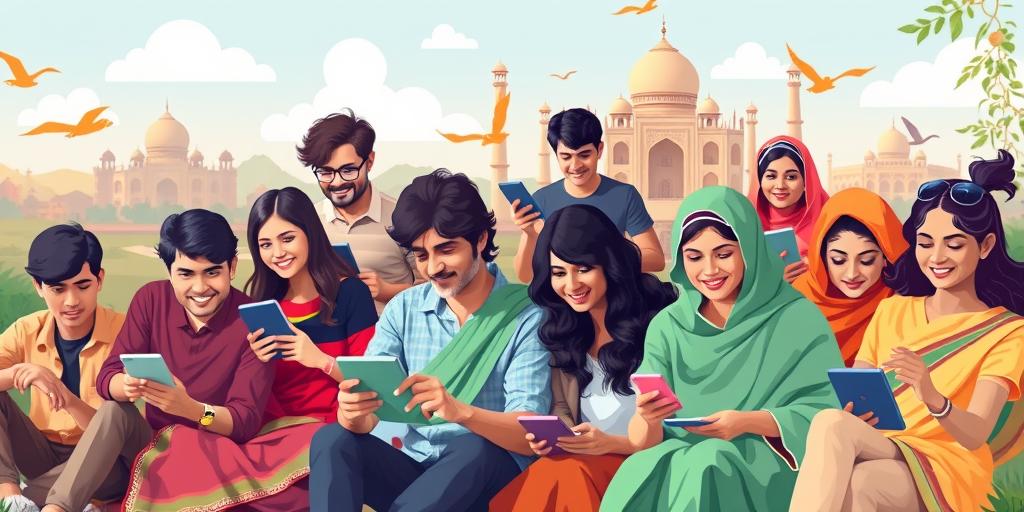
Digital literacy, the ability to use information and communication technologies effectively, is increasingly vital in today's interconnected world. However, India faces significant challenges in achieving widespread digital literacy across its diverse population. This post explores these challenges, examining the multifaceted barriers hindering progress and potential strategies to overcome them.
1. Infrastructure Limitations:
- Limited Internet Access: A significant portion of the Indian population, particularly in rural areas, lacks access to reliable internet connectivity. The digital divide between urban and rural areas remains a major obstacle.
- Inadequate Infrastructure: Even where internet access is available, the quality of infrastructure, including bandwidth and network stability, can be poor, hindering effective digital engagement.
- Affordability: The cost of internet access and devices remains a barrier for many low-income households.
2. Socioeconomic Disparities:
- Poverty: Poverty limits access to education, technology, and digital literacy resources, creating a cycle of digital exclusion.
- Gender Inequality: Women in many parts of India face cultural and societal barriers that restrict their access to education and technology, leading to a gender gap in digital literacy.
- Caste and Social Exclusion: Marginalized communities often face discrimination and limited opportunities, further exacerbating digital disparities.
3. Language Barriers:
- Linguistic Diversity: India is a multilingual country with numerous regional languages. The lack of digital content and resources in local languages limits accessibility for non-English speakers.
- English Proficiency: While English is widely used in the digital realm, a significant portion of the population lacks proficiency in the language, hindering their ability to navigate online platforms and access information.
4. Lack of Digital Skills and Awareness:
- Limited Digital Literacy Programs: The availability of comprehensive digital literacy programs, especially in rural areas, is limited.
- Lack of Awareness: Many people are unaware of the benefits of digital technology and the opportunities it can provide.
- Digital Skills Gap: Even with access to technology, many individuals lack the necessary skills to use it effectively, including basic computer operations, internet navigation, and online safety practices.
5. Addressing the Challenges:
Overcoming these challenges requires a multi-pronged approach involving government initiatives, private sector partnerships, and community-based programs:
- Expanding Infrastructure: Investing in expanding internet access and improving infrastructure, particularly in rural areas, is crucial. This includes promoting affordable internet plans and supporting community Wi-Fi initiatives.
- Promoting Digital Literacy Programs: Scaling up digital literacy programs and tailoring them to the needs of different communities, including women and marginalized groups, is essential.
- Developing Local Language Content: Creating digital content and resources in local languages will make technology more accessible and relevant to a wider audience.
- Enhancing Digital Skills: Providing training in basic computer skills, internet navigation, and online safety will empower individuals to use technology effectively.
Addressing the challenges of digital literacy in India requires a concerted effort to bridge the digital divide and empower individuals with the skills and knowledge they need to participate fully in the digital age. By investing in infrastructure, promoting digital literacy programs, and developing local language content, India can unlock the transformative potential of technology and create a more inclusive and equitable society.


