
SWOT Analysis: A Strategic Tool for Business Planning
In the realm of business, strategic planning is the compass that guides organizations toward their goals. Among the various strategic tools available, SWOT analysis stands out as a fundamental and versatile method. SWOT, an acronym for Strengths, Weaknesses, Opportunities, and Threats, provides a structured framework for evaluating a company's internal capabilities and external environment.
Understanding the SWOT Matrix
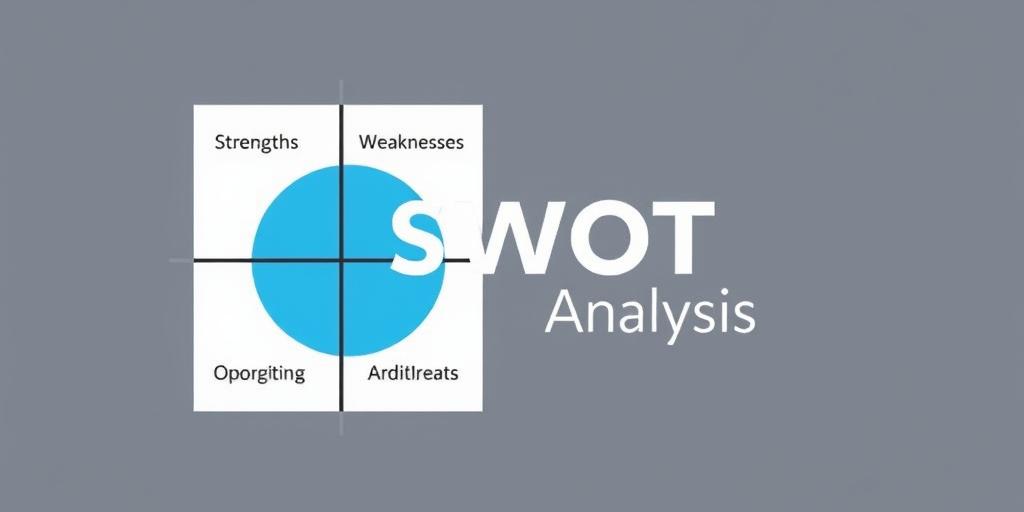
The SWOT analysis is typically presented as a 2x2 matrix, with each quadrant representing one of the four elements:
- Strengths: Internal attributes and resources that give a company an advantage.
- Weaknesses: Internal attributes that may hinder a company's performance.
- Opportunities: External factors that a company can exploit to its advantage.
- Threats: External factors that could pose challenges or risks to a company.
How to Conduct a SWOT Analysis
- Define Objectives: Clearly state the goals you want to achieve with the analysis. This provides focus and direction.
- Gather Information: Collect relevant data about your company and the external market. This may involve market research, competitor analysis, and internal assessments.
- Identify Strengths: Determine what your company does well. What advantages do you have over competitors? What resources are readily available?
- Identify Weaknesses: Honestly assess areas where your company is lacking. What could be improved? Where are you at a disadvantage?
- Identify Opportunities: Look for favorable external factors. Are there emerging market trends? Are there unmet customer needs?
- Identify Threats: Recognize potential challenges. Are there new competitors? Are there regulatory changes on the horizon?
- Analyze and Prioritize: Evaluate the significance of each SWOT element. Focus on the most critical factors.
- Develop Strategies: Formulate strategies based on the SWOT analysis. How can you leverage strengths to capitalize on opportunities? How can you mitigate weaknesses and threats?
Using SWOT for Business Planning
SWOT analysis is a valuable tool for various aspects of business planning:
- Strategic Decision-Making: By understanding the internal and external factors, companies can make informed strategic decisions.
- Market Entry: SWOT can help evaluate the feasibility of entering a new market.
- Product Development: It can identify opportunities for new products or services.
- Competitive Analysis: SWOT provides insights into a company's competitive position.
- Risk Management: By identifying threats, companies can develop strategies to mitigate potential risks.
Examples of SWOT Elements
| Element | Example | | :--------- | :------------------------------------------------------------- | | Strengths | Strong brand reputation, innovative technology | | Weaknesses | Limited financial resources, outdated equipment | | Opportunities | Growing demand for a product, untapped market segment | | Threats | Increased competition, changing consumer preferences, economy downturn |
Benefits of SWOT Analysis
- Simple and easy to understand
- Provides a structured approach to strategic planning
- Identifies internal and external factors
- Facilitates informed decision-making
- Applicable to various business situations
Limitations of SWOT Analysis
- Can be subjective
- May not provide specific solutions
- Requires accurate and up-to-date information
Conclusion
SWOT analysis is a powerful tool for business planning, enabling companies to make informed decisions and develop effective strategies. By understanding their strengths, weaknesses, opportunities, and threats, organizations can navigate the complex business landscape and achieve their goals. Whether you are a startup or an established enterprise, SWOT analysis can provide valuable insights and guide your path to success. Use "SWOT Analysis for Business Planning" to guide strategic decisions, using "SWOT Analysis for Market Entry" when approaching new markets, and to perform a "SWOT Analysis for Product Development" when innovating.


